If you've been reading headlines about Washington's tenant purchase law loosening up for small buildings, you might assume that closing on a tenant-occupied duplex or triplex in DC just got easier. That assumption is only half right, and the half that's wrong is the half that can stall your closing.
The D.C. Policy Center says the District's Tenant Opportunity to Purchase Act, known as TOPA, has given tenants the right to buy their building, or assign that right to someone else, before an owner can sell to a third party since 1980. According to Ballard Spahr, a major overhaul called the RENTAL Act took effect on December 31, 2025, after Mayor Bowser signed it on November 13, 2025, and Congress let its review period expire without objection. The law was written to loosen TOPA's grip on new construction and small multifamily buildings, the two asset classes investors complained about most. What it did not do is eliminate the paperwork trail that a title company needs before it will insure your sale. That trail just moved from a tenant-facing purchase offer to an ownership-structure test and a written notice requirement that still has to happen, exemption or not.
What Actually Changed on December 31, 2025
Two exemptions get most of the attention. UrbanTurf reports that buildings less than 15 years old, measured from the certificate of occupancy, no longer have to issue a formal TOPA offer of sale, though owners still must issue a notice of transfer to tenants. According to Bisnow, that 15-year window was a compromise. The Mayor had proposed 25 years, Councilmember Brianne Nadeau had proposed 3, and the Council landed in the middle, a detail that matters if you're trying to guess how much further TOPA reform might move in the next legislative session.
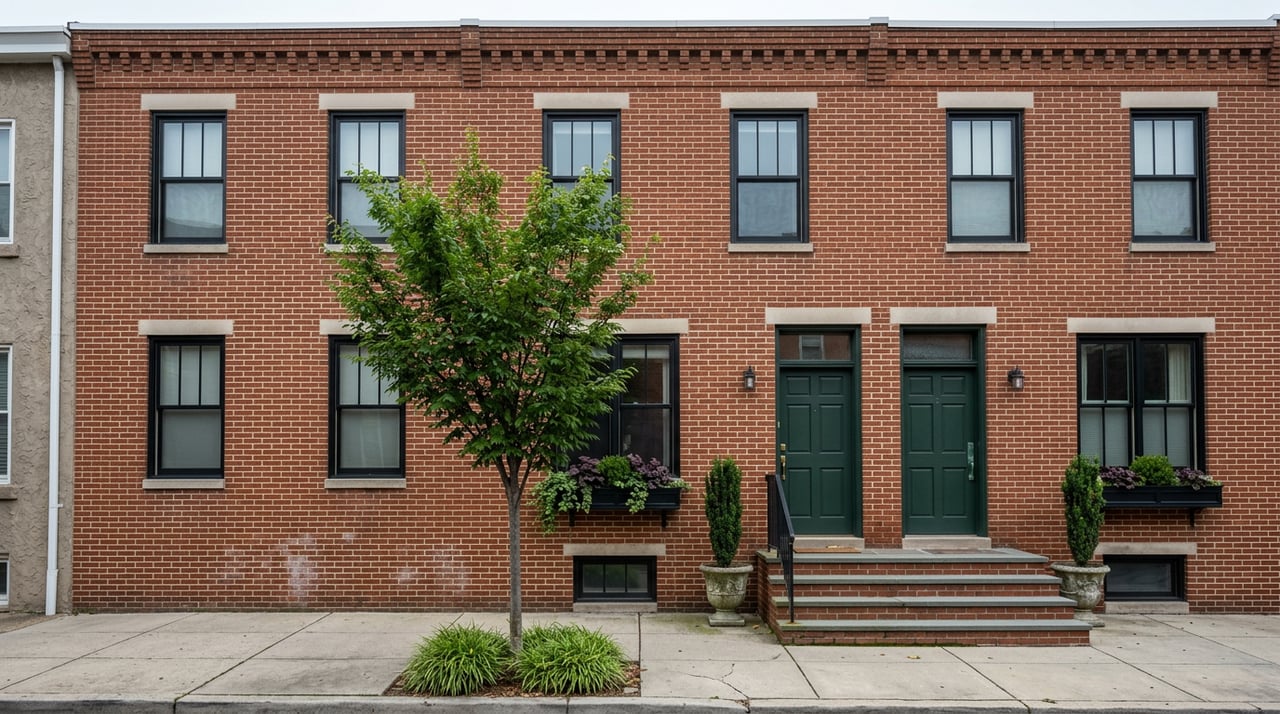
The second exemption covers certain 2-4 unit buildings, and this is the one that touches the kind of property most DC investors actually buy: a rowhouse converted into two or three rental units, or a small duplex bought to renovate and hold. That exemption does not apply automatically. It depends on ownership structure and portfolio size.
Here is the part that gets lost in the "TOPA got easier" framing: even when a building qualifies for exemption, the owner must still notify tenants of that exempt status in writing. The offer of sale disappeared for eligible buildings. The notice requirement did not. According to Landlord Friend, the RENTAL Act also added a 45-day cooling-off period before any tenant can assign their TOPA rights to a third party, a change that applies across covered buildings, not just the ones claiming an exemption.
| Building type | Before December 31, 2025 | After December 31, 2025 |
|---|---|---|
| New construction under 15 years old | Full TOPA offer of sale required | Offer of sale exempt; notice of transfer still required |
| 2-4 unit building | TOPA process generally applied | May be exempt, depending on ownership structure and portfolio size; written exemption notice still required |
| 5+ unit building | DC Fiscal Policy Institute says tenants get 45 days to organize a tenant association (30 days if one already exists) | Same organizing window applies |
Where the Paperwork Actually Landed
Ask a DC title company what happens next in a tenant-occupied sale, and the answer has nothing to do with whether tenants want to buy. It has to do with whether the file can be insured.
Federal Title & Escrow Company's closing requirements spell this out plainly: each tenant must complete a separate notarized TOPA affidavit, using the form set out in GCAAR form #1316 or similar, and the seller or their agent has to deliver every signed, notarized affidavit to the escrow company at least three business days before closing. That requirement doesn't ask whether your building falls under the new 15-year exemption or the 2-4 unit test. It asks whether you can prove compliance on paper, on a deadline, before anyone signs anything at the table.
Kevin Bayly, who sits on the board of the DC Land Title Association and has testified before the DC Council on TOPA legislation, put it directly in a piece from Community Title Network:
"I've seen deals just get completely railroaded by the inability to comply with these rules. Nobody wins. Sometimes the tenants win, sometimes the buyers, sometimes the sellers. But I've also seen it get railroaded where nobody wins."
Title attorneys describe a version of this that plays out often enough to be a pattern rather than a one-off: an owner sells a small building, and an oversight surfaces during a title search on a later resale, well after the original transaction closed.
Why the Big Money Is Celebrating and Small Owners Should Stay Cautious
Institutional multifamily investors are genuinely optimistic about this reform, and their optimism is worth understanding, because it explains why the exemption's fine print matters more to a small rowhouse owner than to a developer.
Greysteel senior director Nigel Crayton, who brokers multifamily sales, told Bisnow that "we've had many calls with buyers that automatically crossed out D.C. because of the TOPA laws," and that unpredictable exit timelines "really hurts your ability to underwrite and predict what your returns will be for your investors." Foulger Pratt CFO Joe Clauser went further, saying the 15-year exemption is "massively going to increase the liquidity in the market because so many investors wrote off D.C." That optimism is about new construction with a clean 15-year clock ticking from the certificate of occupancy, a bright line that institutional underwriting can plan around.
A rowhouse investor buying a 2-4 unit building doesn't get a bright line. They get a test tied to ownership structure and portfolio size. A D.C. Policy Center analysis found that under the old rules, TOPA-related delays could stretch transactions by over a year, up to 420 days, largely from regulatory uncertainty and legal challenges. The RENTAL Act aims to shrink that timeline for buildings that clearly qualify for an exemption. It does very little for the buildings where qualification itself is the question.
There's one more piece worth knowing if you're the seller in one of these deals. The Department of Housing and Community Development is building a new public, searchable portal to track TOPA filings, including offers of sale and final sale outcomes, and buyers who register as certified "Qualified Purchasers" may become eligible for deed and recordation tax exemptions, though as of March 2026 the specific certification criteria were still being finalized, according to Nixon Peabody's housing team. That status is worth asking about early if you're on the buy side of a small multifamily deal, not something to chase down after you're already under contract.
What This Means If You're Buying or Selling a Small DC Rental Building Right Now
- Confirm the ownership-structure test before you list or make an offer, not during attorney review. Ownership structure and portfolio size factor into whether the 2-4 unit exemption applies.
- Even if you're exempt, put the written notice to tenants in the file early.
- Loop in a title company familiar with DC's TOPA affidavit process before you set a closing date, not three business days before it. The paperwork window is short and non-negotiable once you're in it.
A Few Straight Answers
Does my rowhouse automatically qualify for the 2-4 unit exemption? No. The exemption depends on ownership structure and portfolio size.
If my building is exempt, do I still owe tenants anything? Yes. Owners of exempt properties are still required to notify tenants of the exemption status in writing.
My tenant already told me they're not interested in buying. Can I skip the TOPA process? No. Verbal disinterest isn't a substitute for the documentation a title company requires, including notarized affidavits delivered on a set timeline before closing. Treat TOPA compliance as a paper trail, not a conversation.
DC's TOPA reform is real, and for the right building it genuinely shortens a process that used to run over a year. But "the right building" is doing a lot of work in that sentence, and figuring out whether yours qualifies is diligence, not paperwork you handle after you're under contract.
This is the kind of question that benefits from someone who can look at both sides of the transaction, the ownership structure and the renovation plan behind it. Brandon Foy works across Maryland, DC, and Northern Virginia as a licensed agent with Samson Properties, and he's also a licensed general contractor and a mortgage broker focused on renovation financing, which means the same conversation about whether your DC rowhouse qualifies for a TOPA exemption can also cover what it will cost to bring the units up to code once you own it. If you're weighing a small DC multifamily purchase or sale, let's get you started.
This article is general information, not legal, tax or financial advice. Consult a qualified professional about your situation.